The Poppy Project

Kits are shipping now! Order early to give your group plenty of time to make and wear their poppies before Remembrance Day.
Questions? Contact the project. We answer within two school days.

Questions? Contact the project. We answer within two school days.

Questions? Contact the project. We answer within two school days.

Seed paper poppies you make, wear, and then plant.

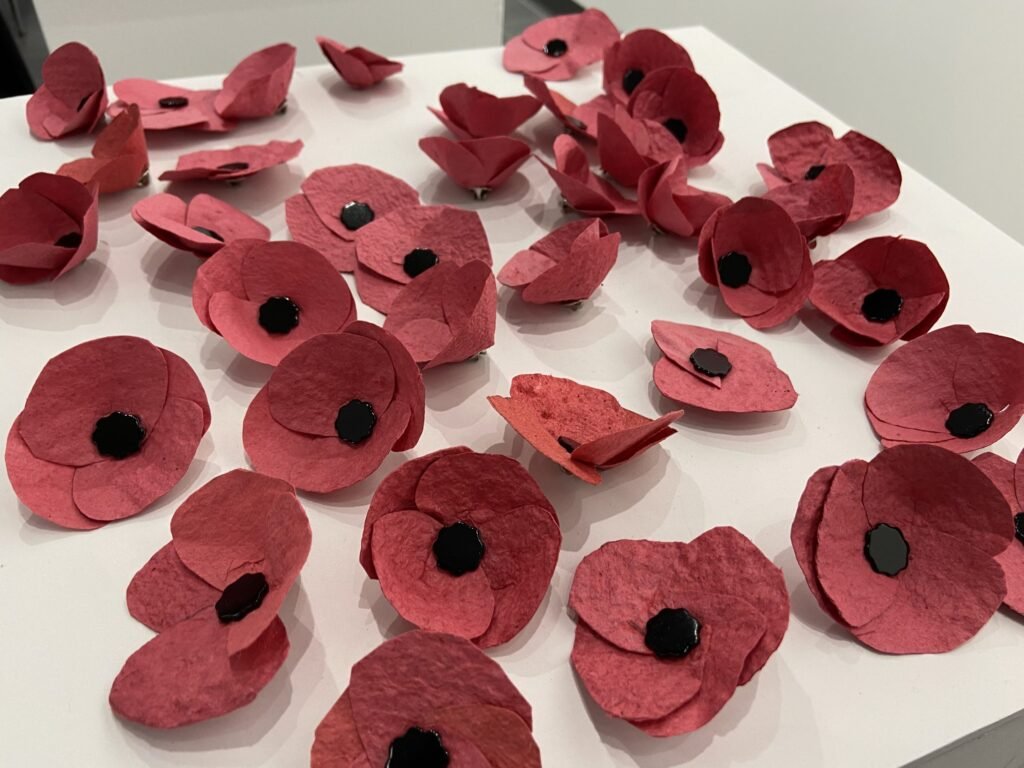
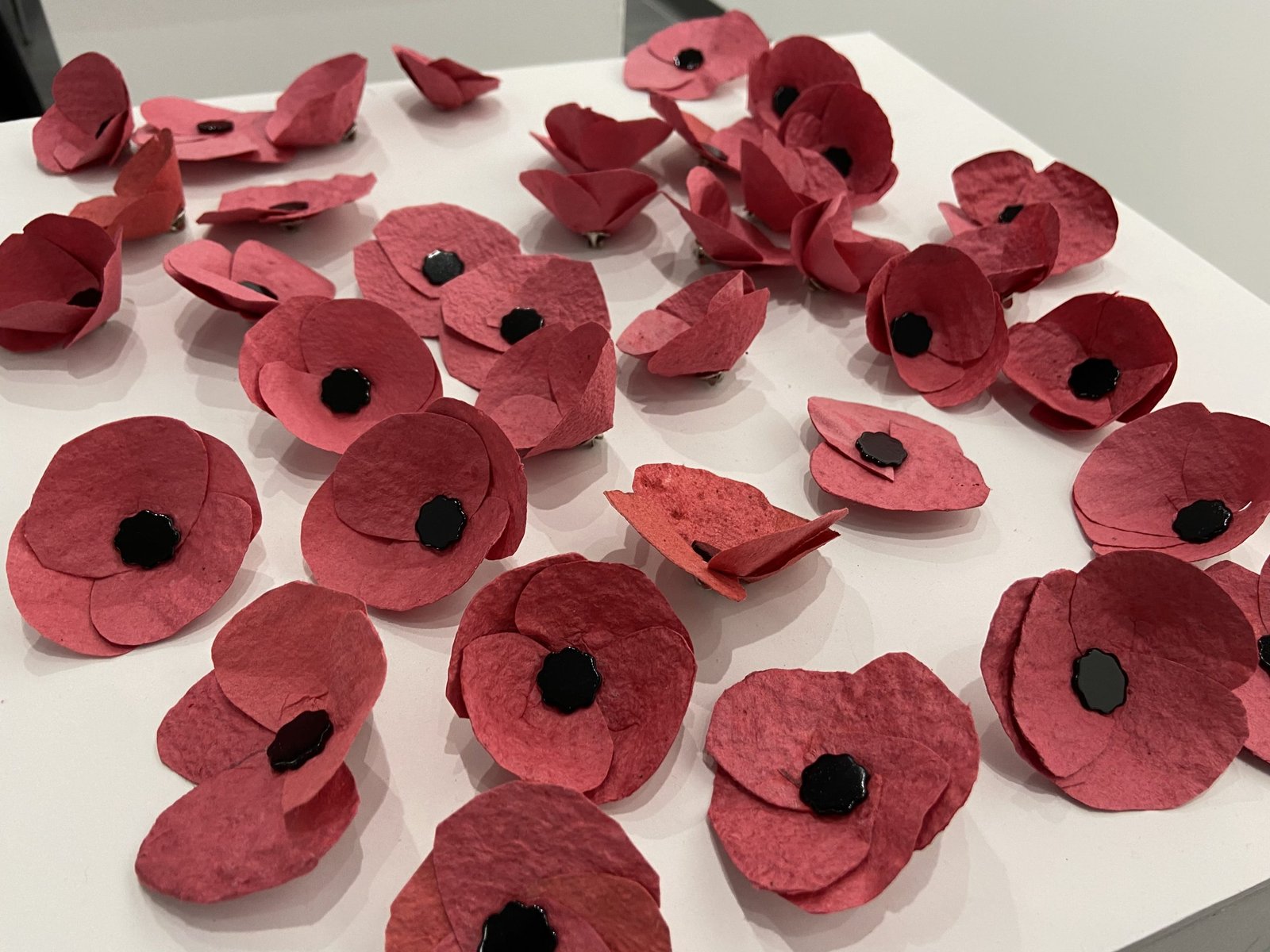
A group of finished red seed paper poppies arranged on a table.

A Remembrance Day activity for classrooms, workplaces and community groups.

Order by 4 November for delivery before Remembrance Day.

A group of finished red seed paper poppies arranged on a table.

Make it. Wear it. Remember. Plant it.

Participants make seed paper from pulp and poppy seeds, shape and assemble their poppies, wear them for Remembrance, and plant them afterward.

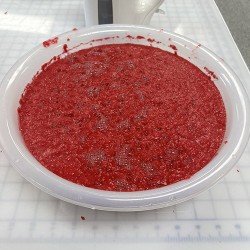
Red paper pulp mixed with poppy seeds in a white bowl.

Make it.

Blend paper pulp with poppy seeds, press it into sheets, and let it dry.

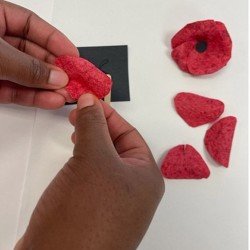
Close-up of a person's hands assembling a red seed paper poppy.

Wear it.

Cut, shape, and pin your poppy on for November 11.

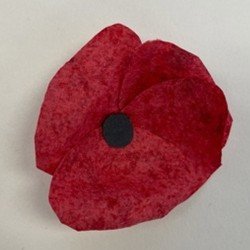
A completed red seed paper poppy with a black centre.

Remember.

Pause, reflect, and share what the poppy means to your group.

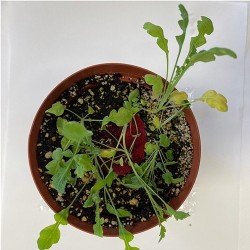
A poppy plant growing in a pot from planted seed paper.

Plant it.

Plant your seed-paper poppy outdoors in the fall, or save it to plant in a pot or garden in early spring. The paper breaks down, and real poppies grow.

Built for classrooms. Open to everyone.

Schools are where the Poppy Project started, but any group can take part in this growing tradition.

Veterans & Remembrance Organizations

Legion branches and Remembrance-focused groups.

Schools & Classrooms

For grades K to 12, with a full lesson plan, curriculum connections, and flexible options for different ages and abilities.

Youth & Community Organizations

Scouts, Girl Guides, after-school programs, and youth groups looking for a hands-on activity.

Workplaces

A team activity for the office.

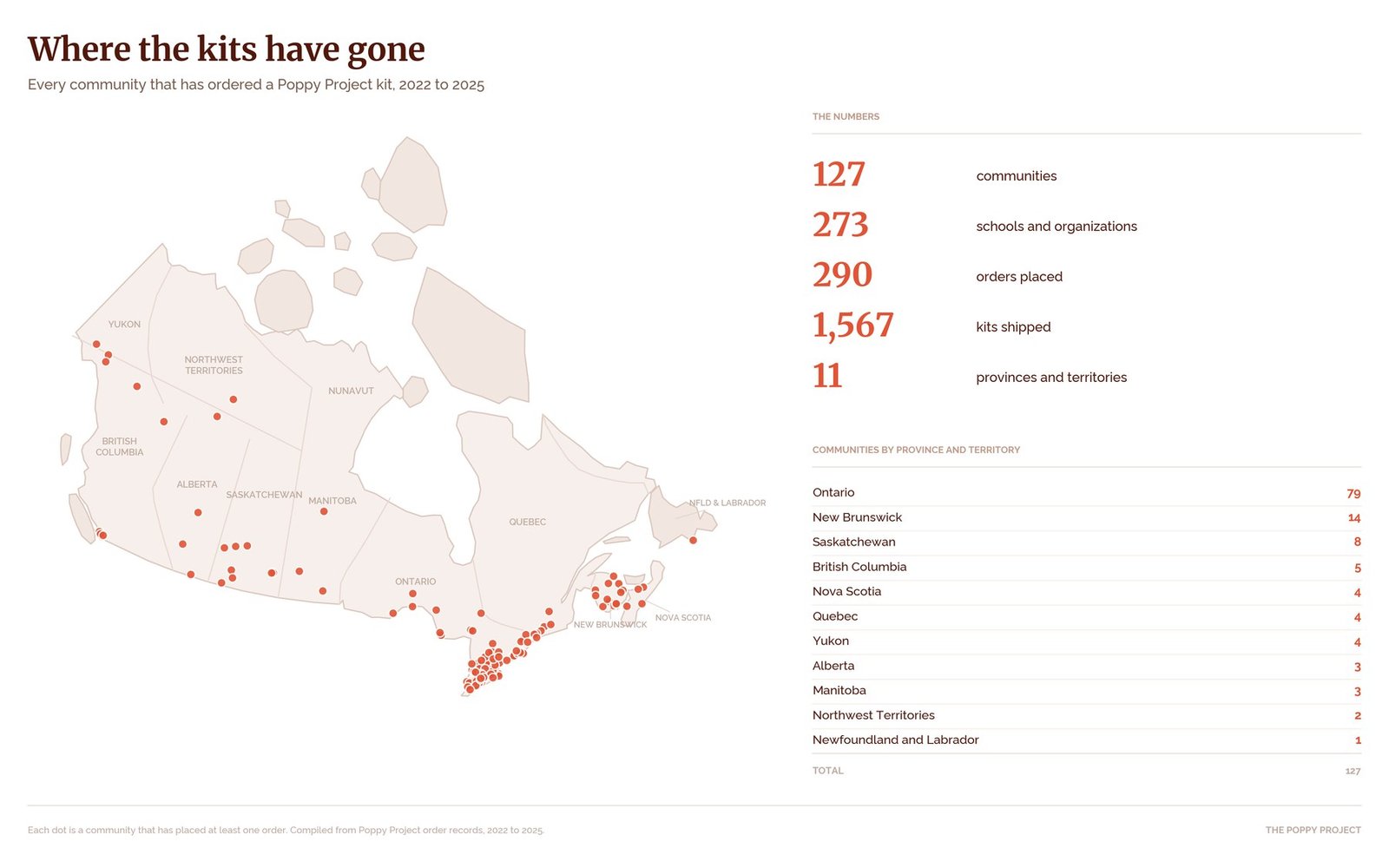
Map of Canada showing 127 communities that have ordered Poppy Project kits between 2022 and 2025, across 11 provinces and territories.

Wear it for Remembrance. Plant it in fall or spring.

175,000 seed paper poppies have been made this way, in more than 100 cities across Canada.

175,000+
Sustainable poppies made
$5,000+
Donated to the Legion
100+
Cities have participated

★ ★ ★ ★ ★

"My great grandfather was in WWI and we have many stories and memories that he shared with us over the years about his time in service. My daughter has been brought up knowing how important our veterans are and she was so happy to be part of this process."

— Parent, Pierre Elliott Public School

★ ★ ★ ★ ★

"The best way to get the younger grades involved is a hands-on approach, and this poppy project at Fanshawe does exactly that. Not only do they get to create their own poppy, but during that process, they learn the history of the poppy and what it stands for."

— Brian Harris, Provincial Poppy Chairman, Royal Canadian Legion
What is in the box?

One kit makes about 16 sheets of seed paper, or roughly 40 poppies. Your group supplies the blender, the bowl and the towels.

Petalled Seed Paper Poppies

Ingredients, in the kit

  • Online bilingual instructions
  • Online bilingual history of the poppy
  • Red construction paper
  • Poppy seeds
  • Psyllium
  • Pins

What you supply

  • Bowl
  • Blender
  • Framed screen
  • Bowl, sink or plastic bin
  • Towels
  • Glue
  • Scissors

Instructions and the history of the poppy are supplied in English and French.

Questions people ask before ordering.

How much does a kit cost?

Kits are $12 each, plus HST and shipping.

How long does it take?

The activity is flexible. It can be completed in a single afternoon or spread over several sessions, depending on your group and drying time. Teachers can extend the experience with the lesson plan and curriculum activities.

What do we need to supply?

A bowl, a blender, a framed screen, a sink or plastic bin, towels, glue, and scissors. The kit provides the paper, poppy seeds, psyllium powder, and pins.

The project runs on donated seed, paper and time.

The Poppy Project would not have been possible without our sponsors, our supporters and the Fanshawe programs that built it.